

Injection Moulding Materials
Choosing the right plastic is one of the most important decisions in an injection moulding project.
Two components may look almost identical but require very different materials depending on how they will be used.
Strength, flexibility, chemical exposure, temperature, colour, weight, cost and regulatory requirements can all influence material selection.
What Materials Can Be Injection Moulded?
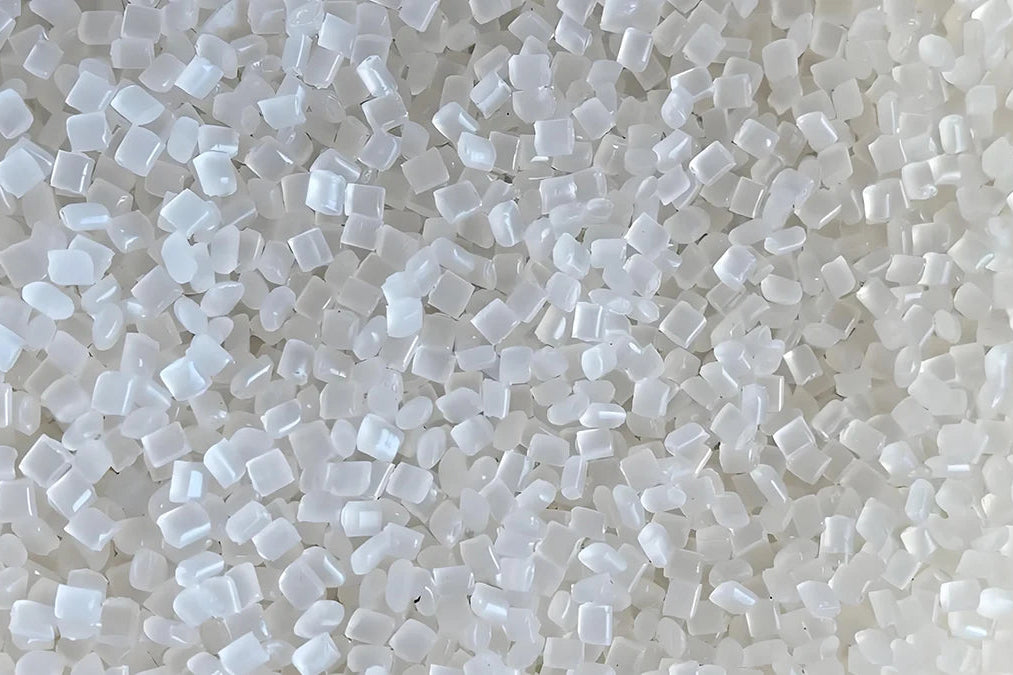
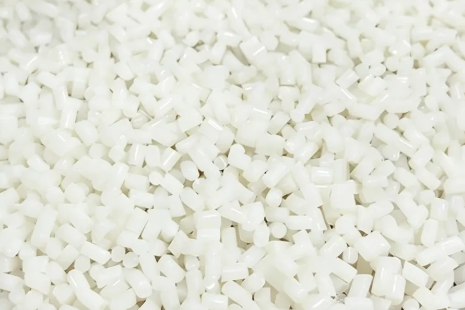
A wide range of thermoplastics can be processed using injection moulding. The British Plastics Federation lists common injection moulding materials including polypropylene, nylon, ABS, polycarbonate and polystyrene. Hillbrush's own manufacturing operation works with a range of commodity and engineering plastics including polypropylene, thermoplastic elastomers, nylon and glass-reinforced polymers.
Colour & Additives
Plastic components do not always use material exactly as it arrives from the polymer manufacturer.
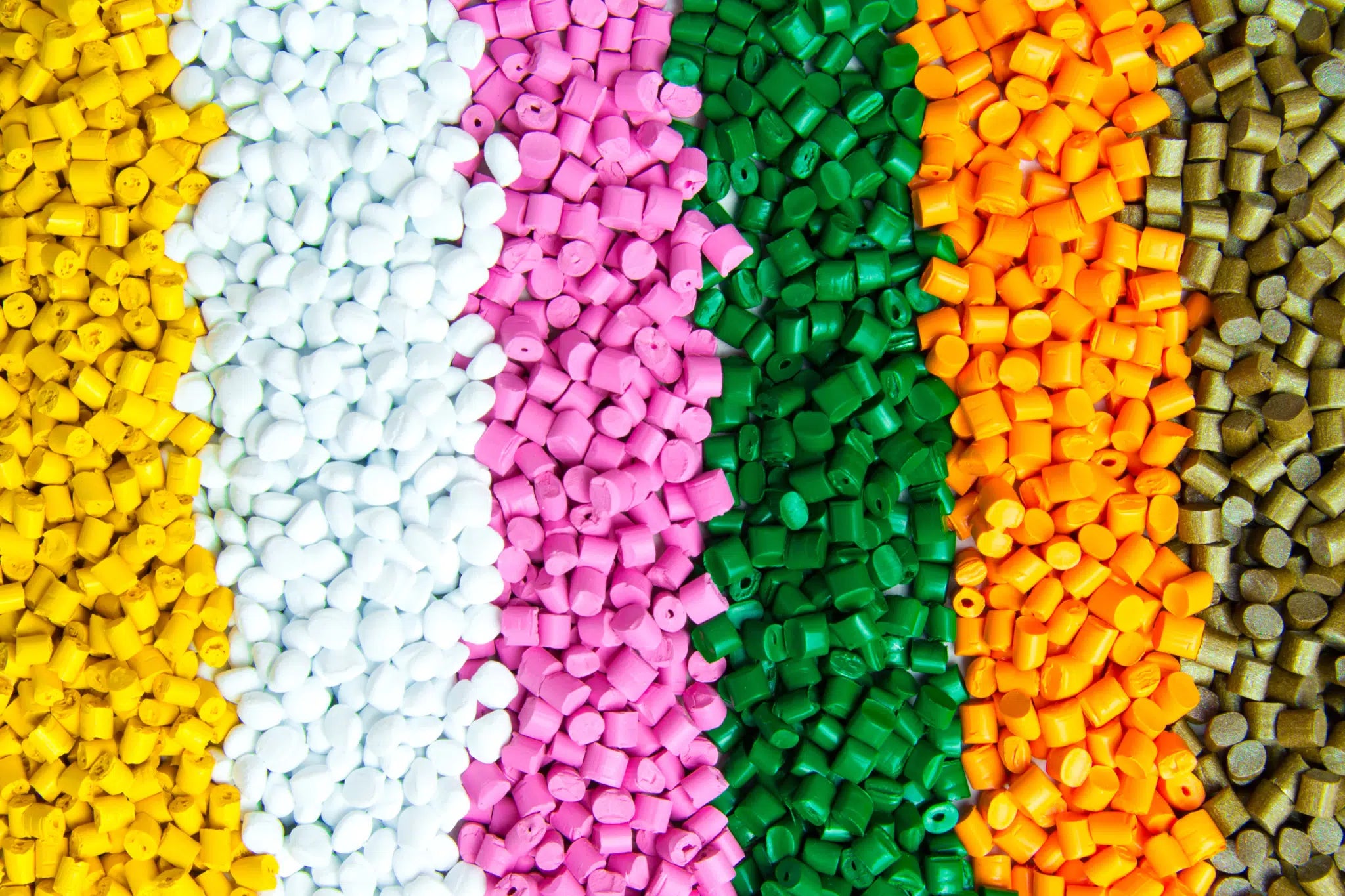
Colour masterbatch and specialist additives can be dosed into the production process to alter appearance or introduce particular characteristics.
Hillbrush's injection moulding operation includes automated material handling and dosing for colour and additives, including specialist antimicrobial and metal-detectable options.
How do you choose the right material?
Start with the application rather than the plastic.
Consider:
- What loads will the component experience?
- Does it need to flex?
- Will it be dropped or impacted?
- What temperatures will it encounter?
- Which chemicals will it contact?
- Will it be used outside?
- Does its appearance matter?
- Are there food-contact or other regulatory requirements?
- What production quantity is expected?
- What lifetime is expected from the component?
Material selection should then be considered alongside the design of the part and mould tool.
Choosing an unnecessarily expensive engineering polymer can increase component costs, while selecting a material purely because it is inexpensive can create performance problems later.
Need Help Selecting a Material?
Hillbrush supports customers from early product development through to injection moulding, assembly and fulfilment. If you have an existing component, drawing or product concept, our manufacturing team can discuss the performance required and help establish the next steps.